
Best Dive Sites Around Gangga Island — A Complete Guide
Gangga Island is a very small but perfectly located island only around 20 minutes off the North Sulawesi mainland. It is very close to Bangka Island, and within reach of Bunaken Marine Park, and the Lembeh Strait, which means easy access to the best of North Sulawesi diving. Gangga is an incredible base for divers of every level from true beginners, to advanced divers and underwater photographers looking to capture some of the Coral Triangle’s marine treasures. We’re going to be letting you in on our insider knowledge of the area with a complete guide to the best dive sites around Gangga Island so you can start planning your next dive holiday.
Diving Regions Around Gangga Island
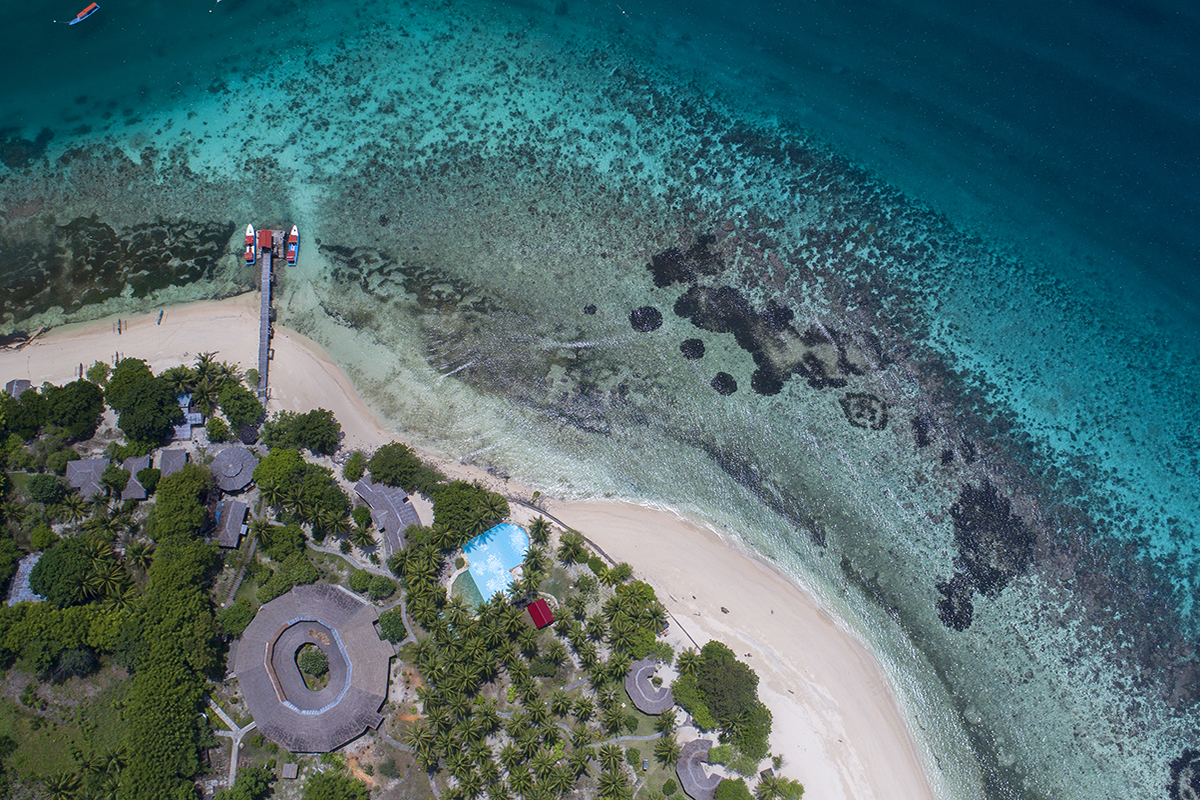
There are 4 main ‘dive zones’ around Gangga Island. Firstly, the Gangga Island house reef that is right on your bungalow’s doorstep. This is a mix of natural and biorock reefs, which have been instrumental in stopping erosion and reef damage caused by rising sea levels and the Australian and Indo-Chinese Monsoons.
The Bangka Island area is only a 10-20 minute boat ride from Gangga Island Resort & Spa. You will know as a diver that this means less travel time and more time in the water. The third and fourth regions are a little further at around 1 hour by boat. Well-known, Bunaken Marine Park and the Lembeh Strait offer very different dive experiences and are worth the trip to spend a day diving at either.
The water temperature in all 4 sits around the mid 20s year round but can reach 28-29 degrees between October and March. You can expect visibility up to 35 metres unless there has been a large amount of rain. The biodiversity in this part of the world will blow you away thanks to the variety of ecosystems and the way they work together. The coral reefs, mangroves, and seagrass beds, each play a vital role in sustaining marine life in the area.
Gangga Island House Reefs
The house reefs around Gangga Island Resort & Spa are made up of both natural and bio rock reefs. You’ll find coral gardens, lovely slopes and sand patches to explore. This area is perfect for check dives, and relaxed exploration thanks to its calm, shallow waters, and ease of reach from the beach.
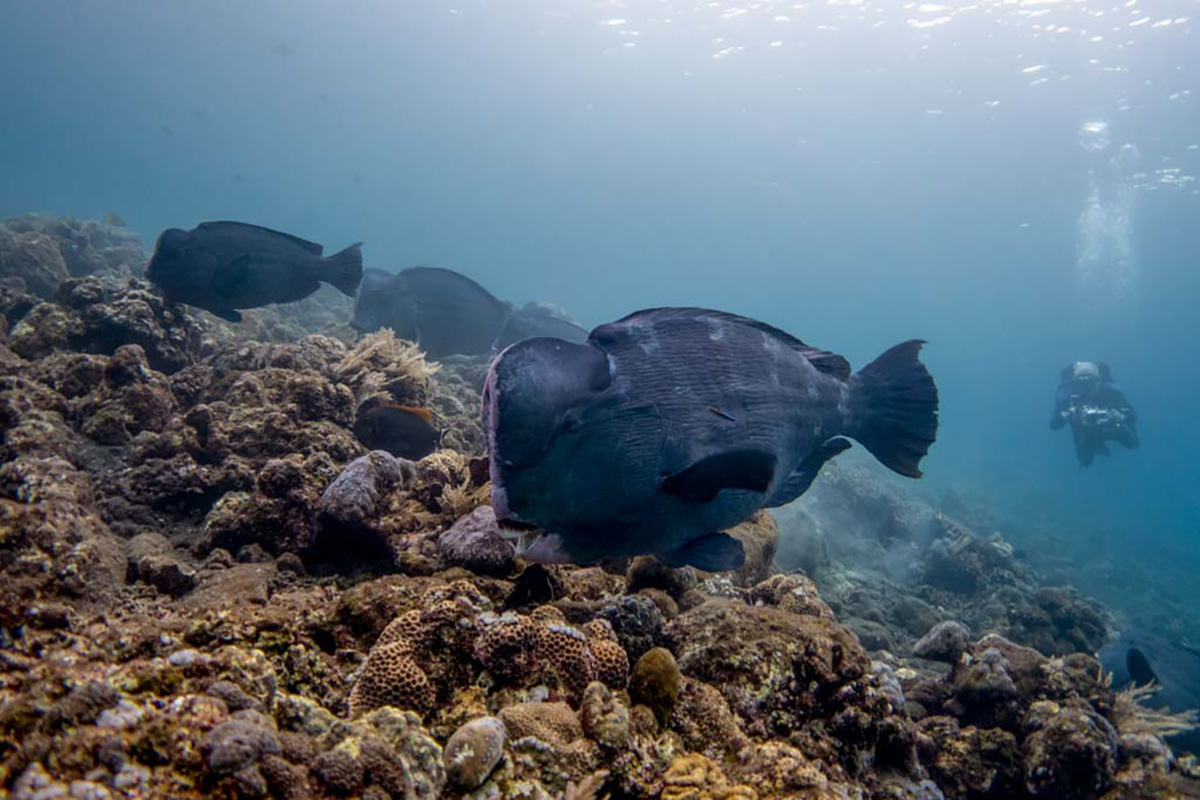
It’s possible to dive the house reef anytime of day but high tide is the best. There are all kinds of marine species to see at Gangga Island house reef, but some of the most fun are the resident school of bumphead parrotfish. These strange ‘bucktoothed’ fish are fascinating due to the way they eat coral with their 2 big front teeth that look almost human.
You can also expect to see plenty of colourful reef fish, sometimes black tipped or white tipped reef sharks, sea turtles, and colourful nudibranchs if you have a little search in the muck. If you’re really lucky you might spot a mimic octopus or even the famous wonderpus. There is a huge payoff from this easy North Sulawesi dive that some divers may think is below their level of expertise.
Bangka Island
Bangka Island has house reefs just like Gangga Island, but the real draw is the more advanced dives featuring incredible pinnacles and walls. The area is rich in soft corals, which cover every surface, and there are plenty of pelagics to see.
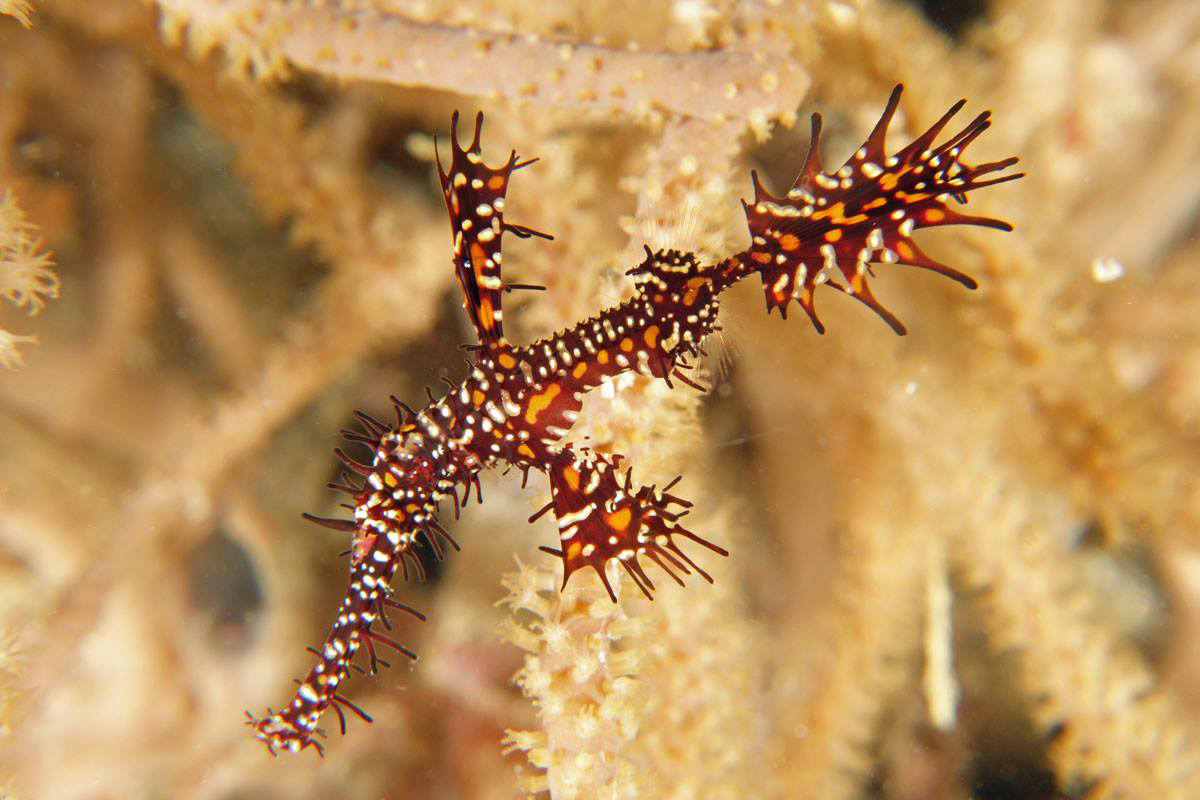
Some of the best Bangka Island dive sites are Batu Goso, and Sahuang, which are amazing for boulders and pinnacles but do require a bit of skill due to the stronger currents. Peter’s Sponge is shallower and a bit gentler so has slopes instead of towering rocks but is a fantastic dugong spot and photographers will love the possibility to snap blue-ring octopus, flamboyant cuttlefish, Ambon scorpionfish and ghost pipefish.
Bunaken Marine Park
Bunaken Marine Park is the best known dive area in North Sulawesi. It was designated as a Marine Protected Area in 1991 – the first in Indonesia. Bunaken covers a chain of islands, the most impressive of which is Manado Tua, a dormant volcano that rises 600 metres above sea level. This topography has made the marine park famous for vertical walls and deep drop-offs.
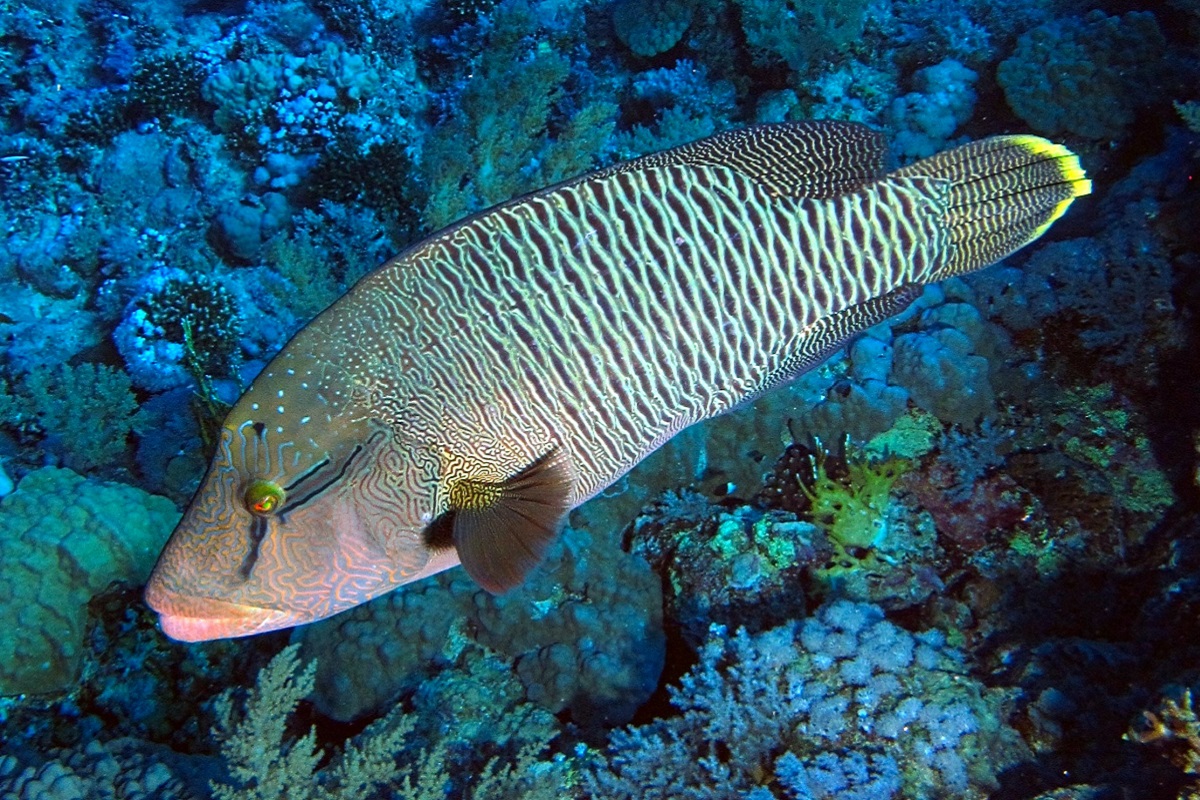
However, there is diving for everyone in this region. Between the islands, the seas are anywhere from 200 to 1200 metres deep so currents can vary from very gentle to incredibly strong. It is these currents that supply the nutrients to the huge array of marine life that you can see when diving there, including some large species like Napoleon wrasse, reef sharks, sea turtles, rays, giant trevally, dogtooth tuna, jacks, and barracuda.
Bunaken dive trips can be booked with Gangga Divers at Gangga Island Resort & Spa. You will leave early in the morning to ensure there is time to fit in 3 dives before heading back to Gangga. Lunch and snacks are all packed for you, so you can spend the day out on the water making the most of Bunaken Marine Park.
The Lembeh Strait
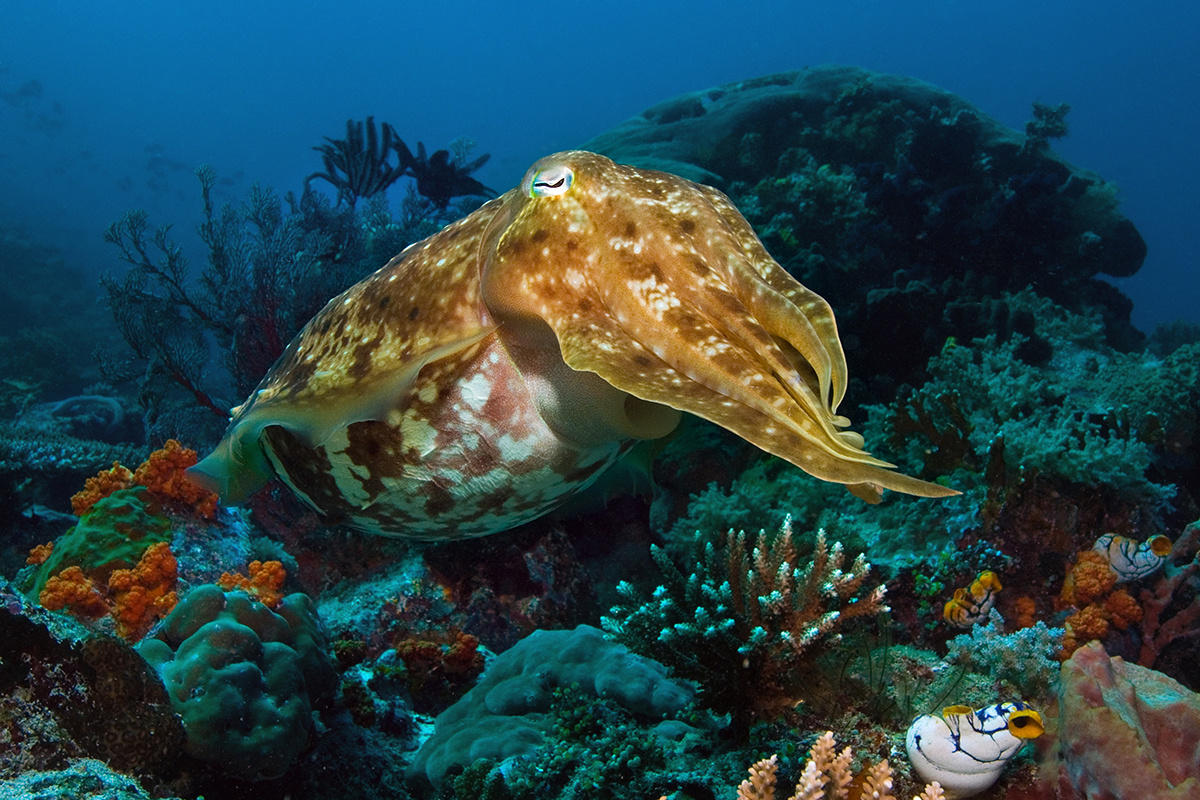
The Lembeh Strait runs between the island of Lembeh and the western side of mainland North Sulawesi. This stretch is around 16 kilometres long and has around 50 named dive sites. Although it is a busy strait for shipping, it is also a muck divers paradise, with the weird and wonderful appearing all the time. If you are looking to photograph something unique and are willing to be patient, Lembeh is going to be right up your alley.
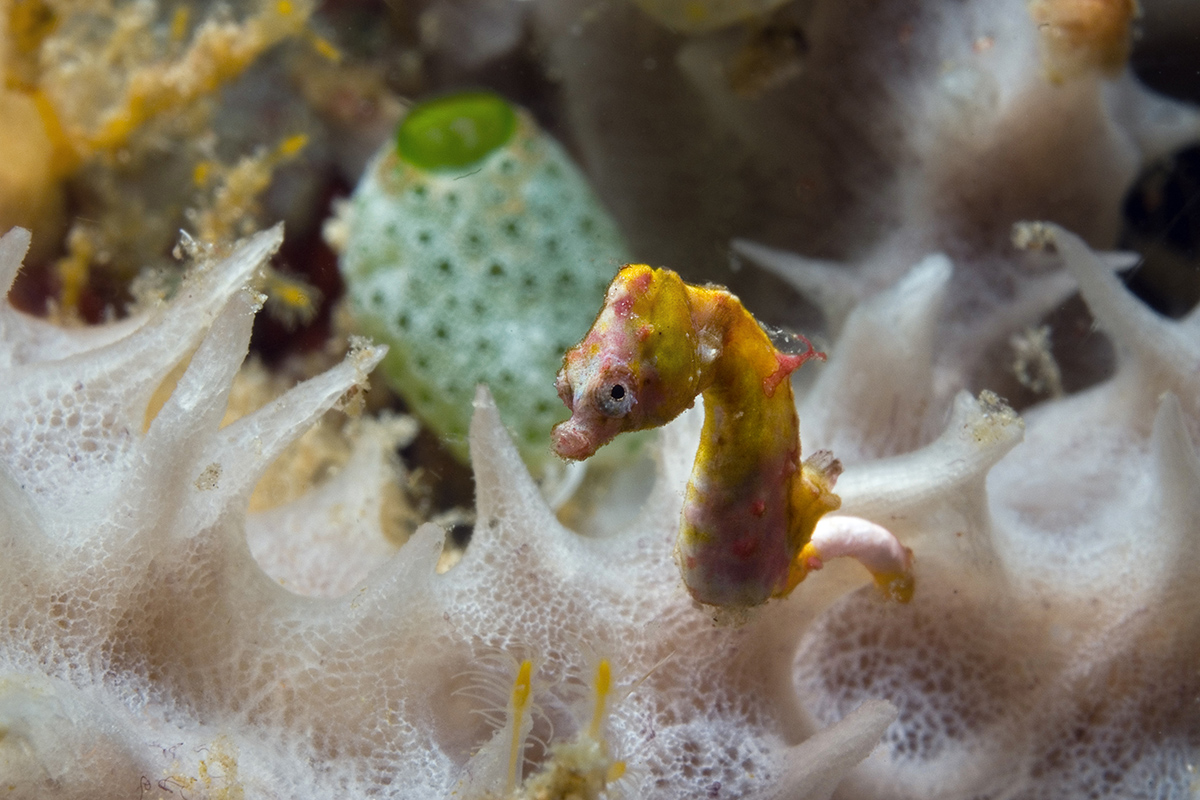
Some of the fantastic critters that have been spotted in the Lembeh Strait include pygmy seahorses, flamboyant cuttlefish, hairy frogfish, as well as lots of other species of frogfish too. If you are looking for your octopus fix, you may see a hairy, blue ringed, mimic or even wonderpus variety.
The list of the photo captures you could come home with after a day trip to dive the Lembeh Strait is almost endless.
The Best Time to Dive Around Gangga Island
The North Sulawesi diving season is all year round but some divers do have preferences that determine when they book their dive trip to Gangga Island.
There are 2 seasons in North Sulawesi, wet and dry. Dry season runs between July and October, and wet from November to June. Wet season can bring some more churned up water, but the rains are usually more of an afternoon downpour than days of monsoon rains, so there is still plenty of diving to be done.
Water temperatures also don’t vary a huge amount from wet to dry season. Water temperatures hit a peak of 28-29°C between October and March, and fall to their lowest at 25-26°C in July and August.
For those divers most interested in muck diving, the cooler season coincides with reproductive cycles, meaning there are larger numbers of smaller critters in July and August. If you love macro photography, this is the perfect time for diving Gangga Island and the Bangka Archipelago. The cooler time of the year is when visibility is at its best. During this time visibility can be up to 35 metres.
In short, diving at any time of the year in North Sulawesi will not disappoint.
Using Gangga Island Resort & Spa for Your Dive Base

Gangga Island is perfectly situated in the middle of one of the most exciting areas for diving in North Sulawesi. Next door you have Bangka Island, to the west the Lihaga Strait, and to the east Bunaken Marine Park. Gangga Divers dive guides know all these areas like the backs of their hands and love to point out all the exciting creatures there are to see.
Of course it’s not only the diving you will love, the resort is pretty nice as well. Beautiful beachfront bungalows, a gorgeous white sand beach, huge swimming pool, and sunset decks await when you return from your dive trips.
The variety of dive topography, biodiversity of the species you will see, teamed with the tranquility and relaxation of a small tropical island stay is what keeps divers coming back to Gangga year after year.
Are you convinced yet that Gangga may be the perfect island for your next dive adventure? Get in touch to find out more about booking your stay in the heart of the Coral Triangle.

 Loading...